Organic Farming Insights Blog: Insights into Organic Produce - A Blog for Health Enthusiasts
- Shivaraj Patil G H
- May 25
- 3 min read

When I first started exploring organic produce, I was curious about what truly sets it apart from conventional fruits and vegetables. Over time, I discovered that organic farming is not just a trend but a thoughtful approach to growing food that benefits our health, the environment, and local communities. If you are passionate about eating fresh, chemical-free produce, this blog will offer you practical insights and encouragement to embrace organic living.
Why Choose Organic Produce? Organic Farming Insights Blog
Choosing organic produce means opting for food grown without synthetic pesticides, herbicides, or genetically modified organisms. This choice supports your health by reducing exposure to harmful chemicals. But there’s more to it than just avoiding toxins.
Organic farming practices focus on maintaining soil health, conserving water, and promoting biodiversity. This means the fruits and vegetables you enjoy are nurtured in a balanced ecosystem, which often results in richer flavors and higher nutrient content.
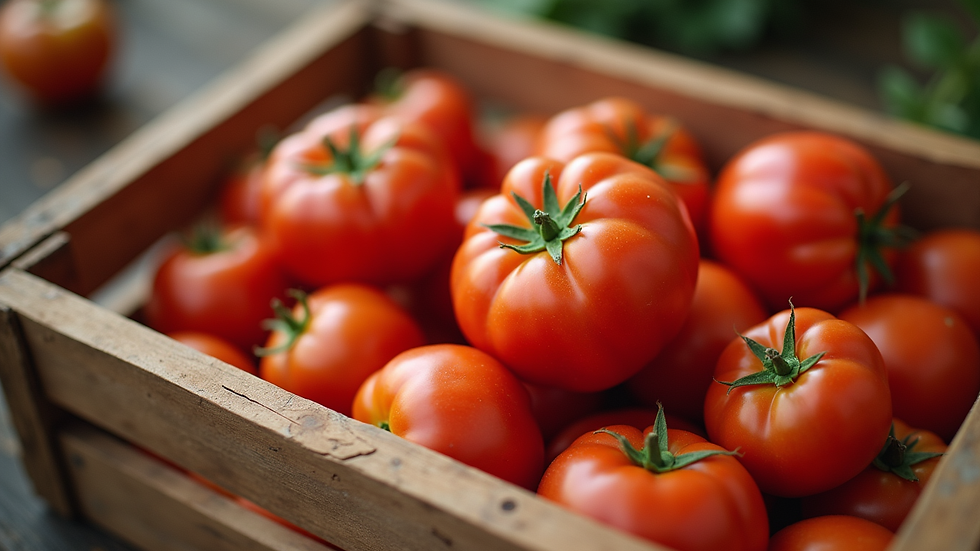
For example, organic tomatoes tend to have more antioxidants compared to conventionally grown ones. These antioxidants help fight free radicals in your body, contributing to better overall health. Plus, organic farming supports local farmers who use sustainable methods, ensuring fair trade and community well-being.
How Organic Farming Benefits the Environment
One of the most compelling reasons to support organic produce is its positive impact on the environment. Organic farms avoid synthetic chemicals that can contaminate soil and water. Instead, they use natural fertilizers like compost and manure, which enrich the soil and promote healthy microbial activity.
Crop rotation and companion planting are common organic practices that prevent soil depletion and reduce pest problems naturally. This means less reliance on chemical interventions and a healthier ecosystem overall.
Moreover, organic farms often use less water than conventional farms because healthy soil retains moisture better. This is especially important in regions facing water scarcity. By choosing organic, you are contributing to a more sustainable future.

Understanding Organic Labels and Certifications
Navigating the world of organic produce can be confusing without knowing what the labels mean. In India, look for certifications like the National Programme for Organic Production (NPOP) logo, which ensures the product meets strict organic standards.
Here are some tips to help you identify genuine organic produce:
Check for certification logos: These indicate that the farm or product has been inspected and meets organic criteria.
Ask about the source: Buying directly from local farmers or trusted online platforms can give you more confidence in the product’s authenticity.
Look for seasonal produce: Organic fruits and vegetables are often seasonal, so their availability can be a good indicator of freshness and authenticity.
By understanding these labels, you can make informed choices and support farmers who are committed to sustainable practices.
Practical Tips for Incorporating Organic Produce into Your Daily Life
Switching to organic produce doesn’t have to be overwhelming. Here are some simple ways to start:
Start small: Begin by replacing a few staple items like potatoes, tomatoes, or leafy greens with organic versions.
Shop local: Visit farmers’ markets or use online platforms that connect you directly with organic farmers.
Grow your own: If you have space, try growing herbs or vegetables at home using organic methods.
Plan your meals: Incorporate organic produce into your favorite recipes to enjoy their natural flavors.
Store properly: Keep your organic fruits and vegetables fresh longer by storing them in appropriate conditions, such as refrigeration or cool, dry places.
These steps can help you gradually embrace an organic lifestyle without feeling pressured or overwhelmed.
Supporting Fair Trade and Local Farmers Through Organic Choices
One of the most rewarding aspects of choosing organic produce is knowing that you are supporting fair trade and local farmers. Organic farming often requires more labor and care, and fair trade practices ensure that farmers receive a fair price for their hard work.
By purchasing organic produce from trusted sources, you help sustain rural livelihoods and encourage farming methods that protect the environment. This creates a positive cycle where communities thrive, and consumers get access to fresh, healthy food.
If you want to explore more about organic farming and its benefits, I encourage you to read the organic produce blog for detailed stories and tips from farmers and experts.
Embracing a Healthier Lifestyle with Organic Produce
Choosing organic produce is a step towards a healthier lifestyle. It’s about nourishing your body with food that is free from harmful chemicals and rich in natural nutrients. It’s also about making mindful choices that respect the planet and the people who grow our food.
As you explore organic options, remember that every small change counts. Whether it’s picking up organic apples at your local market or subscribing to an organic delivery service, you are making a difference.
I hope these insights inspire you to enjoy the vibrant flavors and health benefits of organic produce. Together, we can support sustainable farming and create a healthier future for ourselves and generations to come.


Comments